Sponsored Health & Wellness Content
It’s the checkup number everyone glances at and few really think about — until the day it stops looking normal. Here’s what’s changing in how people are approaching it at home.
Somewhere around age 45, blood pressure quietly becomes one of the more consequential numbers on your chart. It rarely announces itself. There is no dramatic symptom and no single bad day that gives it away. It simply drifts, year over year, until a routine visit turns into a longer conversation with your doctor than you were expecting.
Public health researchers have a shorthand for elevated blood pressure: the silent condition. Millions of adults carry high readings for years without feeling any different, which is precisely why so many are caught off guard when a standard cuff test comes back higher than it used to.
Part of what makes it easy to overlook is that the number itself does not hurt. There is no ache and no obvious signal interrupting an ordinary day. Clinicians describe it as a “silent” risk factor for exactly this reason: the body seldom complains before the readings start climbing, so most people learn about it from a measurement rather than from a feeling.
Source: U.S. Centers for Disease Control and Prevention (CDC), national hypertension prevalence data.
Diet and movement matter, and no cardiologist will suggest otherwise. But researchers increasingly point toward something discussed less often at the dinner table: circulatory support at the cellular level. Healthy blood pressure is not only a question of how much salt sits on the plate. It also depends on how readily blood vessels relax, widen, and let blood move through them without resistance.
That process draws on specific amino acids and nutrients the body uses to support nitric oxide production — the same mechanism associated with keeping vessels flexible rather than stiff. When that supply runs short, which grows more common with age, even people who are otherwise doing everything right can watch their numbers drift upward anyway.
Circulation support is a nutritional question as much as a lifestyle one. Diet and exercise lay the foundation, but the body still needs specific building blocks to keep blood vessels working the way they should. General observation — not a direct quote from a named individual
Before any conversation about supplements, most physicians begin with fundamentals. They are worth repeating, because they remain the foundation everything else is built on.
Packaged and restaurant food account for the majority of sodium intake, so reading labels tends to matter more than skipping the shaker at home.
Consistent, moderate activity — walking, cycling, swimming — is generally associated with better long-term cardiovascular markers than occasional intense sessions.
Poor or irregular sleep is frequently discussed by clinicians as a factor connected to blood pressure regulation.
Chronic stress keeps the nervous system in a heightened state, which is one reason many doctors ask about stress load during checkups.
Even a solid diet can fall short on specific nutrients tied to circulatory health, which is where a targeted daily supplement is sometimes discussed as a complement to — not a replacement for — the habits above.
None of this calls for rebuilding an entire routine overnight. Regular movement and regular checkups still carry the most weight. What has shifted is that more people are also paying attention to a category of daily supplement built specifically around amino-acid and circulatory support, as an addition to those basics rather than a substitute for them.
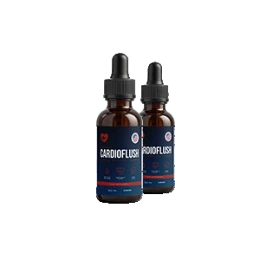
That is part of why interest in targeted cardiovascular-support formulas has grown quickly this year, and why one formula in particular, CardioFlush, comes up often among people comparing notes in wellness communities.
A daily formula built around amino acids that support healthy circulation and cardiovascular function.
*These statements have not been evaluated by the FDA. This product is not intended to diagnose, treat, cure, or prevent any disease.
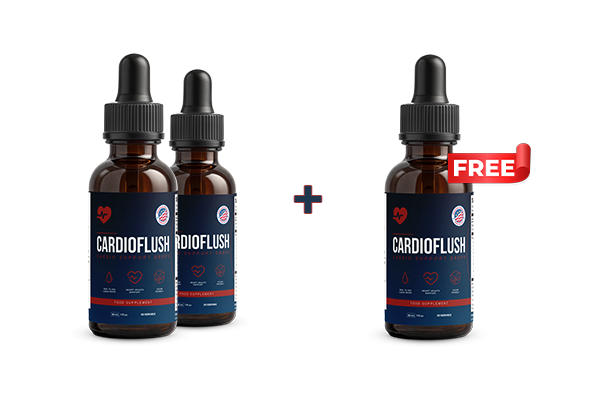
60-Day Return Policy. Try CardioFlush for two full months. If you’re not satisfied, contact the company within the window for a refund under the terms of the return policy.
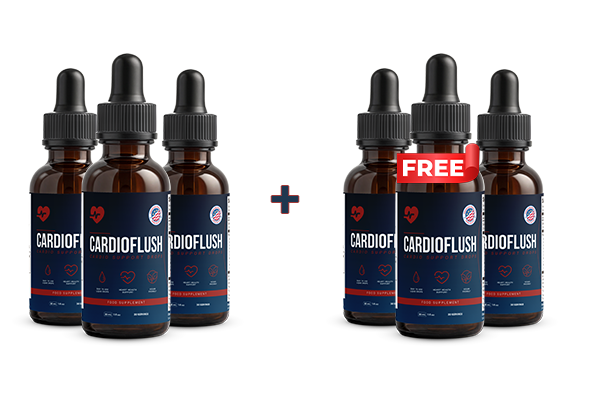
The 3-bottle “Most Popular” kit gives a 90-day supply — enough time to build a consistent daily habit within the 60-day return window.
It is a daily capsule. Follow the directions printed on the product label, and speak with your physician about how it fits alongside anything else you take.
No. It is a dietary supplement, not a medicine, and it is not a substitute for prescribed treatment. Do not start, stop, or change a prescription without talking to your physician.
Each bottle is a 30-day supply, so the 3-bottle kit covers roughly 90 days and the 6-bottle kit roughly 180.
The company offers a 60-day return policy. Contact them within that window to arrange a refund under the terms of the policy.
This page is advertising content published on behalf of the marketer of CardioFlush. It is not a news article, an endorsement by any publication, or medical advice. Any persona described here is composite and illustrative rather than a specific, verified individual.
Statements regarding this product have not been evaluated by the U.S. Food and Drug Administration. This product is not intended to diagnose, treat, cure, or prevent any disease. High blood pressure is a serious medical condition that should be managed with a qualified healthcare professional. Always consult your physician before beginning any supplement, and never discontinue prescribed medication without medical guidance.
Individual results vary. Pricing, availability, and return terms are set by the seller and may change. The publisher of this page may earn a commission on purchases made through the links above.